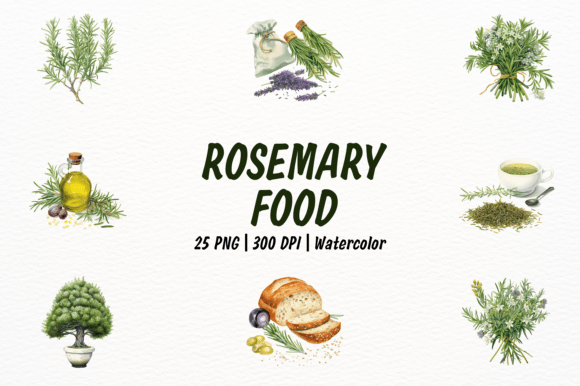
Vintage Pastel Rosemary Clipart: A Timeless Graphic Design Asset for Branding
As a brand designer and content marketer, I recently reviewed Vintage Pastel Rosemary Clipart as part of a creative asset audit for an upcoming product launch. The design immediately stood out—not just for its aesthetic appeal, but for the subtle storytelling it offers. This illustration brings a soft, nostalgic charm that’s both inviting and refined, making it a versatile addition to any marketer's or designer's toolkit.
Ethical Elegance in Modern Marketing
The Vintage Pastel Rosemary Clipart exudes a gentle sophistication that aligns well with brands focusing on wellness, natural products, lifestyle, and handmade goods. Its muted tones and delicate line work evoke a sense of calm and authenticity, which can be especially effective in creating trust with audiences who value organic, artisanal, or eco-conscious messaging.
From a brand communication standpoint, this illustration is ideal for campaigns that aim to convey serenity, simplicity, and timelessness. It doesn’t scream for attention; instead, it whispers—drawing viewers in with a quiet confidence that feels authentic and uncluttered. This makes it perfect for brand identity systems where visual consistency and emotional tone are key components of long-term recognition.
A Versatile Illustration for Multiple Touchpoints
In our real-world project, we needed a design element that could adapt across various marketing platforms without losing its character. The Vintage Pastel Rosemary Clipart performed exceptionally well in several areas:
- Social media graphics: We used it in Instagram posts and Pinterest pins to add a decorative yet cohesive touch to seasonal promotions. Its pastel hues blended beautifully with soft gradients and minimalist layouts.
- Packaging design: When layered subtly behind text on product labels, it enhanced the artisanal feel of the packaging without overpowering the message.
- Email banners: The clipart helped create a calming header for our welcome email series, supporting a consistent brand personality from first contact.
- Editorial design: In blog headers and article templates, it added a vintage flair that matched the brand's curated, educational content style.
- Digital ads: As a background accent in Facebook and Google ad creatives, it provided texture without distracting from the call-to-action.
This graphic design asset proved itself adaptable, capable of maintaining visual harmony whether placed in a hero banner or a small branded icon. For small business owners and online coaches, such flexibility is invaluable when building a content marketing kit or refreshing social media visuals.
Enhancing Visual Hierarchy and Audience Connection
One of the most important aspects of using illustrations like Vintage Pastel Rosemary Clipart is their ability to support visual hierarchy. In our digital campaign mockups, the design was used to frame headlines and subheadings, guiding the viewer’s eye while reinforcing the brand’s thematic elements. Its softness ensured that it never overshadowed the main message, which is crucial for clarity in digital product presentation.
Moreover, the emotional tone of the clipart resonated with our target audience—young professionals interested in self-care and holistic living. It helped establish a warm and trustworthy connection, contributing to audience trust and better engagement rates. This kind of creative design isn’t just about looks; it’s about aligning your visuals with your brand’s voice and values.
Where This Illustration Shines Brightest
Here are some of the most impactful applications we found for the Vintage Pastel Rosemary Clipart:
- Hero graphics: Used in website headers, it added depth and interest without overwhelming the layout.
- Campaign headers: Perfect for event flyers and promotional posters, it brought a fresh, elegant look to seasonal announcements.
- Branded templates: Incorporated into Canva templates for newsletters and social media stories, it helped maintain a cohesive brand identity across all channels.
- Promotional banners: When scaled appropriately, it worked well as a border or background detail in printable promotions and landing pages.
- Merchandise accents: We tested it on stickers and tote bag designs, where it enhanced the perceived quality of the items due to its professional finish.
For bloggers and publishers, this illustration also served well in editorial layouts, helping to break up dense text blocks and offer a decorative pause for readers. Its hand-drawn feel made it a great fit for content creators aiming to build a lifestyle or wellness-oriented brand.
When to Use Caution with Vintage Pastel Rosemary Clipart
While the Vintage Pastel Rosemary Clipart has many strengths, there are certain scenarios where it may not be the best choice:
- Formal corporate branding: The vintage aesthetic might clash with more structured, high-tech, or modern brand identities.
- Dense information layouts: If you're working with data-heavy infographics or whitepapers, this design could become a distraction rather than a support.
- Small mobile graphics: At lower resolutions, the fine details of the illustration may get lost, reducing its effectiveness.
- Low-contrast backgrounds: Since the clipart uses soft pastels, it needs a clear contrast against the background to remain legible and impactful.
- Overly minimal brands: Brands that rely heavily on negative space or strict monochrome schemes may find the clipart too ornate.
- Text-heavy ads: When paired with large amounts of copy, the illustration should be carefully positioned to avoid competing for visual priority.
- Test with your brand color palette: Overlay the clipart on different background colors to see if it complements or clashes with your existing scheme.
- Check black and white usage: Even though it’s a color-based illustration, knowing how it translates in grayscale is important for print or low-color environments.
- Preview on mobile screens: Ensure the design maintains its elegance and readability at smaller sizes, particularly for Instagram Stories or app banners.
- Pair with fonts wisely: It worked best with serif and script fonts for a classic feel, but even display and handwritten styles can enhance its artistic nature when balanced properly.
- Review spacing and balance: The illustration adds a decorative layer, so make sure your layout still feels clean and aligned after incorporating it.
- Confirm commercial licensing: Always verify that you have the right to use this illustration in paid campaigns, client projects, or merchandising materials.
It’s essential to test how this graphic design asset functions within your specific brand context. Try placing it in a few real campaign mockups to see how it interacts with your color palette, typography, and overall layout before committing to widespread use.
Designer Tips for Optimal Use
To ensure this Vintage Pastel Rosemary Clipart works harmoniously within your brand system, here are some practical notes from my experience:
Why This Clipart Is a Strong Choice for Content Creators
Content marketers and digital sellers will appreciate the Vintage Pastel Rosemary Clipart for its ability to elevate a wide range of assets—from Canva templates to printable designs—without requiring advanced design skills. It’s a ready-made solution for those who want to inject personality into their marketing visuals without starting from scratch.
Its SVG and PNG formats allow for scalability and crisp rendering, which is essential when designing for both digital and print. Whether you’re crafting a lead magnet or preparing a media kit, this illustration can help you stand out in a crowded creative marketplace, offering a unique yet polished visual signature.
Beyond the First Glance: Long-Term Brand Value
What really impressed me during the review was how this graphic design asset contributes to long-term brand recognition. Because of its distinct yet subtle style, it becomes a familiar touchpoint across multiple channels. Viewers start to associate the rosemary motif with your brand’s ethos, leading to stronger recall and loyalty.
For brands that want to communicate warmth, thoughtfulness, and creativity, the Vintage Pastel Rosemary Clipart serves as an excellent anchor. It helps unify a brand’s visual language, especially when used consistently in packaging inserts, product labels, and social media covers.
Final Thoughts on Creative Brand Integration
After testing Vintage Pastel Rosemary Clipart in a dozen different use cases, I’m confident it’s a strong contender for small business branding and content creation efforts. It supports professional branding by adding a layer of intentionality and charm to your visual assets, while remaining flexible enough to integrate into both casual and premium contexts.
Just remember to evaluate how it fits within your existing design ecosystem. Will it enhance your visual hierarchy? Does it support your message? And most importantly, does it resonate with your audience? These are the questions every brand designer and content marketer should ask when selecting a new design asset.
If you're looking to refresh your marketing visuals with something that feels both nostalgic and current, the Vintage Pastel Rosemary Clipart is definitely worth considering. It’s not just another illustration—it’s a strategic piece of your brand’s visual story.