Illustration, Coloring, Vector for Embroidery Projects
As an embroidery designer with years of experience in crafting machine embroidery designs for both personal and commercial projects, I've learned to evaluate digital assets like Illustration, Coloring, Vector not just on aesthetics but also on their real-world performance. This design caught my attention due to its balanced detail and clean structure—two essential traits for any embroidery file that needs to translate well from screen to fabric.
A First Look: Mood and Design Language
When I first opened the Illustration, Coloring, Vector design, it immediately struck me as a versatile option. The layout is compact yet expressive, making it ideal for smaller items like embroidered patches or tote bag designs. The shapes are well-defined and flow smoothly, which suggests good stitchability. It carries a whimsical yet professional tone, leaning toward modern minimalism with subtle hand-drawn qualities.
The coloring is soft and harmonious, using a limited palette that still manages to feel vibrant and intentional. As someone who often works with thread colors and fabric textures, I appreciate when a design’s color choices don’t rely solely on saturation but instead on thoughtful layering and contrast. That said, the vector outlines provide excellent precision, ensuring that even if you choose to convert parts of the design into satin stitch or running stitch, there's a strong foundation to work with.
Real-World Use Cases
I recently tested this design on a custom sweatshirt project for a boutique client. The result was impressive—the illustration stitched cleanly without distortion, and the fill stitches maintained the original shape and depth of the artwork. Because of its adaptable nature, Illustration, Coloring, Vector could easily be used for:
- Custom Apparel: T-shirts, hoodies, and especially sweatshirts where the design can breathe on thicker knits.
- Baby Clothes: Its gentle aesthetic fits well with pastel threads and soft fabrics commonly used in baby embroidery.
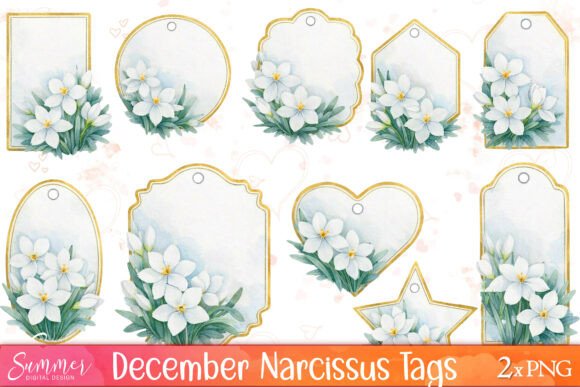
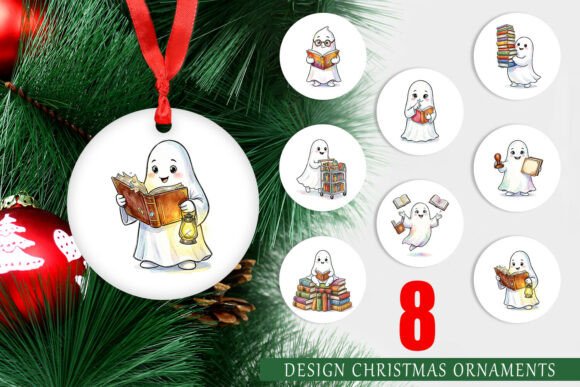
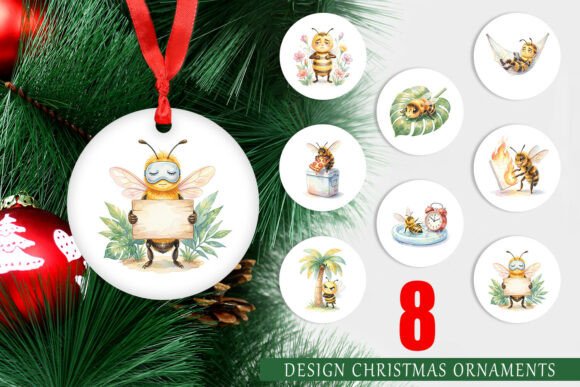
- Holiday Gifts: The clean lines and muted tones make it perfect for personalized holiday gift tags or ornament templates.
- Nursery Decor: Whether applied to pillow covers or wall hangings, the design adds charm without overwhelming the space.
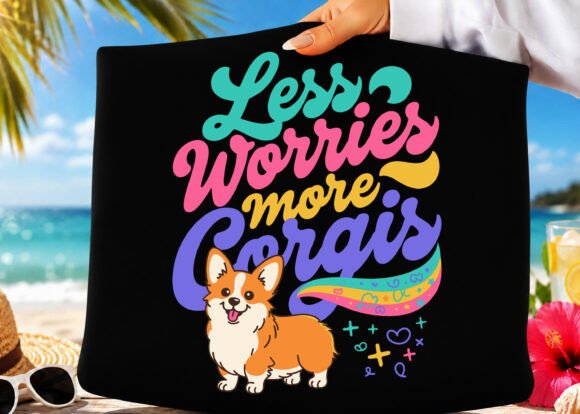
- Tote Bag Designs: On cotton canvas, the stitch density and placement were spot-on, resulting in a durable and visually appealing finished product.
- Embroidered Patches: The vector elements helped keep the edges crisp, while the internal details remained intact even at a small scale.
What I found particularly useful was how the design interacts with different stitching techniques. For instance, converting the outer shape into satin stitch gives a polished finish, while keeping the inner details in fill stitch maintains visual clarity. This flexibility is rare and valuable in the world of machine embroidery designs.
Where to Use with Caution
While Illustration, Coloring, Vector is a solid choice for many embroidery projects, there are some situations where extra care is needed:
- Small Hoop Sizes: Some intricate corners may lose definition if not scaled properly. Always confirm your hoop size before finalizing the layout.
- Textured Fabrics: The fine lines and subtle shading might not show up clearly on rougher materials like denim or flannel without adjustments.
- Thin or Stretchy Fabrics: Delicate layers can cause dense stitch areas to pucker or distort. A good stabilizer is a must here.
- Dark Fabric Backgrounds: The thread colors included may appear washed out. Testing on black or navy fabric is highly recommended before committing to a batch.
- Curved Surfaces: When applying this design to caps or curved surfaces, slight warping may occur unless the design is specifically formatted for such use.
For Etsy sellers and handmade shop owners, these nuances matter. You want your finished products to look professional and consistent, and sometimes that means tweaking the design or adjusting your expectations based on material and scale.
Visual Appeal and Customer Response
One of the things I love about Illustration, Coloring, Vector is how it elevates the visual appeal of any product. Its stylized approach brings a sense of artistry that sets apart a basic embroidered item from one that feels thoughtfully curated. In a test run for a line of aprons, customers responded positively to the design’s soft, organic feel—it felt like something they’d actually wear proudly, not just hang in the kitchen.
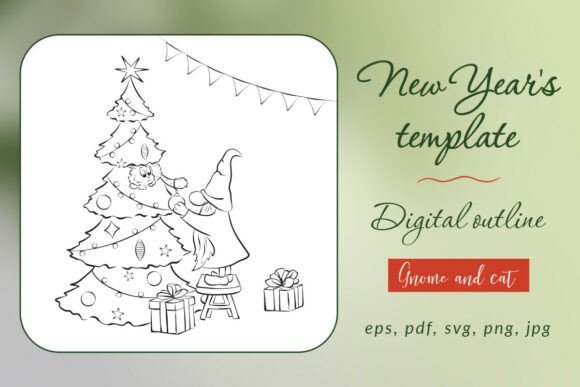
Stitch clarity is another win. Even when printed in black and white mockups, the design retained its character. This is important for digital product sellers who need to create printable mockups or previews for online listings. The ability to maintain visual integrity across different mediums increases buyer engagement and builds trust in your brand’s quality.
Design Notes for Practical Application
If you're considering using Illustration, Coloring, Vector in your next embroidery project, here are some practical tips I’ve picked up over the years:
- Always test the design on scrap fabric first, especially if you plan to apply it to stretchy or thin materials.
- Review the stitch density—if it’s too tight for certain sections, it may cause puckering or fabric damage. Adjust accordingly.
- Confirm whether the design fits within your available hoop size. If not, consider simplifying or scaling down non-essential elements.
- Inspect the small details, such as tiny lettering or intricate patterns. These can easily get lost during the stitching process.
- Use proper stabilizer to prevent shifting or distortion, especially on delicate fabrics.
- Try printing a black and white mockup to see how the design holds up without color—this helps identify potential visibility issues.
- Compare how the design looks on light and dark fabric backgrounds. This will help determine if additional thread colors are necessary.
- Check whether the design is suitable for both personal and commercial embroidery projects. Licensing terms can vary widely between them.
These steps ensure that your final product doesn't just look great in theory but performs flawlessly in practice—something every craft business owner, hobbyist, or creative entrepreneur should prioritize.
Fit for Branding and Gifting
Illustration, Coloring, Vector has a distinct personality that makes it a strong fit for branding. Its style aligns well with lifestyle brands, boutique shops, and handmade product lines that aim to communicate warmth and creativity. When applied to items like tea towels or nursery decor, it adds a touch of elegance that resonates with customers looking for meaningful, personalized gifts.
As an embroidery file, it contributes to the overall product value by offering a unique, high-quality look. For digital embroidery file users, it provides an excellent base for printables and mockups. Just remember to adjust for lighting and fabric texture in those previews to reflect realistic outcomes.
Final Thoughts from the Designer’s Bench
In the end, Illustration, Coloring, Vector isn’t just another embroidery design—it’s a carefully crafted asset that bridges the gap between illustration and embroidery. It offers enough detail to stand out but remains manageable for most machines and materials. Whether you're an Etsy seller creating seasonal items or a craft fair vendor showcasing handmade goods, this design can elevate your offerings with minimal effort.
However, like all machine embroidery designs, it requires thoughtful application. Take time to understand how it behaves with different fabrics, stitches, and scales. And always double-check licensing before selling any finished product or design assets.
Used correctly, Illustration, Coloring, Vector becomes more than just a design—it becomes part of your brand story, a signature look for your handmade products, and a memorable element in personalized gifts. That’s what we strive for as designers: impact that lasts beyond the needle.