Cartoon Skulls with Different Expression: A Versatile Illustration for Creative Projects
As a professional graphic designer who regularly evaluates design assets for client projects, I recently came across Cartoon Skulls with Different Expression. This illustration set immediately caught my eye—not just for its playful aesthetic, but for the potential it offers in a wide range of creative contexts. Whether you're designing for a handmade brand, a seasonal campaign, or an online product launch, these skulls can add character and visual interest if used thoughtfully.
First Impressions and Visual Style
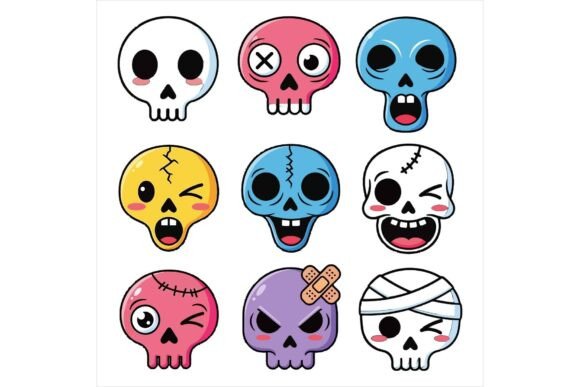
The first thing that stands out about this asset is its bold, exaggerated style. The skulls are rendered in a cartoonish format with expressive features—some grinning mischievously, others frowning or looking sly. The use of simplified shapes and vibrant colors gives them a modern, youthful vibe, making them feel more like pop-art characters than traditional skull motifs.
This kind of visual language is ideal for brands that want to communicate fun, irreverence, or creativity without being too dark or morbid. It’s not Halloween-themed per se, but rather a versatile design element that can work in lighthearted or edgy contexts depending on how it's applied. As an illustration, it brings a sense of whimsy that fits well with indie aesthetics, boutique products, or even digital campaigns targeting Gen Z audiences.
Real-World Application Scenarios
I tested Cartoon Skulls with Different Expression in several real-world project scenarios to gauge their effectiveness:
- T-shirt Design: The skulls worked particularly well when placed as central graphics on oversized tees. Their high contrast and clean lines made them easy to spot at a glance, which is essential for merchandise visibility.
- Product Mockups: On mockups for mugs and tote bags, the skulls added a quirky touch that stood out against solid-colored backgrounds. They performed especially well when layered with subtle textures or gradients.
- Social Media Graphics: When incorporated into Instagram posts and Pinterest pins for a lifestyle brand, the skulls helped create a memorable visual hook. They paired nicely with bright, saturated color palettes typical of social media design.
- Editorial Design: For a themed blog post around alternative fashion, the skulls were perfect for headers and pull quotes. They brought personality to the layout without overwhelming the content.
- Cricut Projects: As SVG designs, they translated beautifully onto vinyl cutters. The paths were clean and editable, allowing for customization in terms of color and placement on items like stickers and signage.
- Print-on-Demand Assets: In print-on-demand environments, the skulls maintained clarity at various sizes, which is crucial for ensuring consistent quality across different products and formats.
Design Direction and Branding Opportunities
If you're working with a small business branding project, especially one focused on lifestyle, accessories, or novelty items, these illustrations could be a great fit. They lend themselves well to creating themed collections, such as a line of festival-themed merch or a retro-inspired product range.
In brand identity work, the skulls might serve as supporting elements in a logo suite or packaging details. While they’re unlikely to be the main focus of a corporate brand, they can enhance a more casual or artisanal brand image. For example, pairing them with a handwritten font in a Canva template for a local craft fair flyer adds an instant layer of charm and approachability.
Where These Skulls Shine
These illustrations perform best in situations where a bit of visual flair is needed. Here are some of the most effective use cases:
- Large Layout Areas: Hero sections of websites or posters benefit from the skulls’ dynamic presence. Their scale and expression help command attention.
- Decorative Accents: Used subtly in corners or as background elements, they add personality without competing with key messaging.
- Themed Campaigns: Especially for events like Day of the Dead, music festivals, or horror-themed parties, these skulls can anchor the visual mood effectively.
- Printable Designs: From wall art to greeting cards, the skulls look great in full color and maintain their appeal in black and white prints.
- Merchandise Graphics: Their adaptability makes them suitable for sublimation design on hoodies, stickers for laptops, or embroidered patches for denim jackets.
Where Caution Is Needed
While these skulls are undeniably eye-catching, there are certain design environments where they may not be the best choice:
- Minimalist Branding: If your client prefers a clean, modern design with minimal visual clutter, these skulls might not align with the overall aesthetic.
- Small Sizes: At tiny resolutions—like iconography or micro-text on packaging—their detailed expressions can become muddy. Always test at scale before finalizing.
- Professional Corporate Materials: Unless the brand has a deliberately irreverent tone, using these skulls in formal documents or boardroom presentations would likely clash with the intended professionalism.
- Crowded Layouts: In complex compositions with multiple elements, the skulls can get lost or overwhelm other design components if not balanced carefully.
Impact on Readability and Hierarchy
One of the biggest concerns when integrating any graphic design asset is how it affects visual hierarchy. In most cases, the skulls act as strong secondary elements. However, when used as primary visuals, they can overshadow text or logos if not properly framed. To avoid this, I recommend placing them off-center or using negative space strategically around them.
For readability, the skulls do not interfere with legible type when positioned correctly. But when combined with dense typography or script fonts, they can create a mismatched tone. Pairing them with sans serif or display fonts tends to keep the balance between playfulness and clarity.
Commercial Use Considerations
Before incorporating Cartoon Skulls with Different Expression into a commercial project, here are some practical checks every designer should make:
- Test in Black and White: See how the design holds up without color. Some versions may lose impact, while others retain strong outlines.
- Check Contrast on Light and Dark Backgrounds: These skulls often have a lot of internal detail, so ensure they remain legible regardless of the background.
- Preview at Small and Large Sizes: Confirm that the file retains crispness and doesn’t pixelate or blur when scaled down for web or printed small items.
- Place on Real Mockups: Use them on actual product templates to see how they interact with materials, lighting, and shadows.
- Test Print Quality: Especially if using them for print-on-demand or physical products, ensure the colors and edges translate well from screen to paper or fabric.
- Review File Formats: Look for SVG or vector files for scalability and PNG for transparency. These are essential for digital product creation and commercial design workflows.
- Confirm Commercial Licensing: Always verify that the illustration comes with proper commercial license usage rights, especially if selling them through platforms like Etsy or a creative marketplace.
Emotional Appeal and Audience Engagement
What really sets these skulls apart is their emotional resonance. Unlike generic clipart, each skull has a unique expression that conveys distinct personalities—humor, mischief, nostalgia, or rebellion. This helps designers connect with audiences on a more personal level, especially in marketing visuals or social media posts.
When used in web design or editorial layouts, the skulls can evoke curiosity or even surprise, encouraging users to engage more deeply with the content. For crafters and Cricut users, this kind of emotional depth in an SVG design can elevate a simple DIY project into something more memorable and marketable.
Design Consistency and Brand Recognition
Consistency is key in brand identity, and these skulls can contribute positively if they align with the overall visual direction. For instance, in a design bundle for a retro coffee shop, the skulls could become recurring motifs across menus, packaging, and promotional materials, helping reinforce brand recognition.
However, if the rest of the design system is sleek and minimalist, introducing these expressive skulls may disrupt the visual harmony. That’s why it’s important to evaluate how they integrate with existing graphic design assets and whether they support the brand’s long-term storytelling goals.
Final Thoughts for Designers and Digital Sellers
Overall, Cartoon Skulls with Different Expression is a strong addition to any creative design toolkit. They offer flexibility in both digital and print applications, and their stylized nature makes them adaptable to many industries—from fashion and food to entertainment and event marketing.
For content creators, bloggers, and marketers, these illustrations provide an engaging way to break up text or highlight key messages. And for digital sellers and print-on-demand entrepreneurs, they represent a ready-made solution for building themed product lines quickly and affordably.
Just remember to consider context. These aren’t one-size-fits-all design assets, but when applied thoughtfully, they can significantly enhance the visual appeal and emotional tone of your work. So go ahead—explore their potential in your next creative project, and don’t forget to review the licensing terms before heading into production.